I designed a modular content system that enabled non-designers to create branded interactive mockups in under an hour, improving lead quality and removing design burden from the sales team.
4 hours. 6% conversion. No guardrails.
When I joined Foleon's Sales Engineering team, I discovered our BDRs were spending up to 4 hours creating custom branded mockups for inbound leads who had only filled out a form on our website. The conversion rate on those mockups was around 6%.
The deeper issue wasn't effort. It was structure. There was none. We were asking salespeople with no design background to extract branding from prospect websites, apply it inside Foleon, and deliver polished interactive experiences to marketing leaders with high brand standards. There were no guardrails, no templates, no constraints. Every mockup required dozens of design decisions that non-designers weren't equipped to make.
To make it worse, the lead magnet driving this workflow was promising a fully redesigned document in exchange for a form fill, with no qualification, no commitment, no discovery call required. We were doing expensive creative work for unqualified leads and still underdelivering.
The problem was the promise upstream, not just the process
The quality of the output was a symptom. The promise upstream was the actual problem. By offering free bespoke design work with no qualification criteria, we had created a process where sales reps made design decisions they weren't equipped to make, prospects arrived with expectations we couldn't meet, and most of the time and effort was going into leads that would never convert.
Fixing the process without fixing the expectation upstream would only go so far.
Structure that removes decisions, not tools
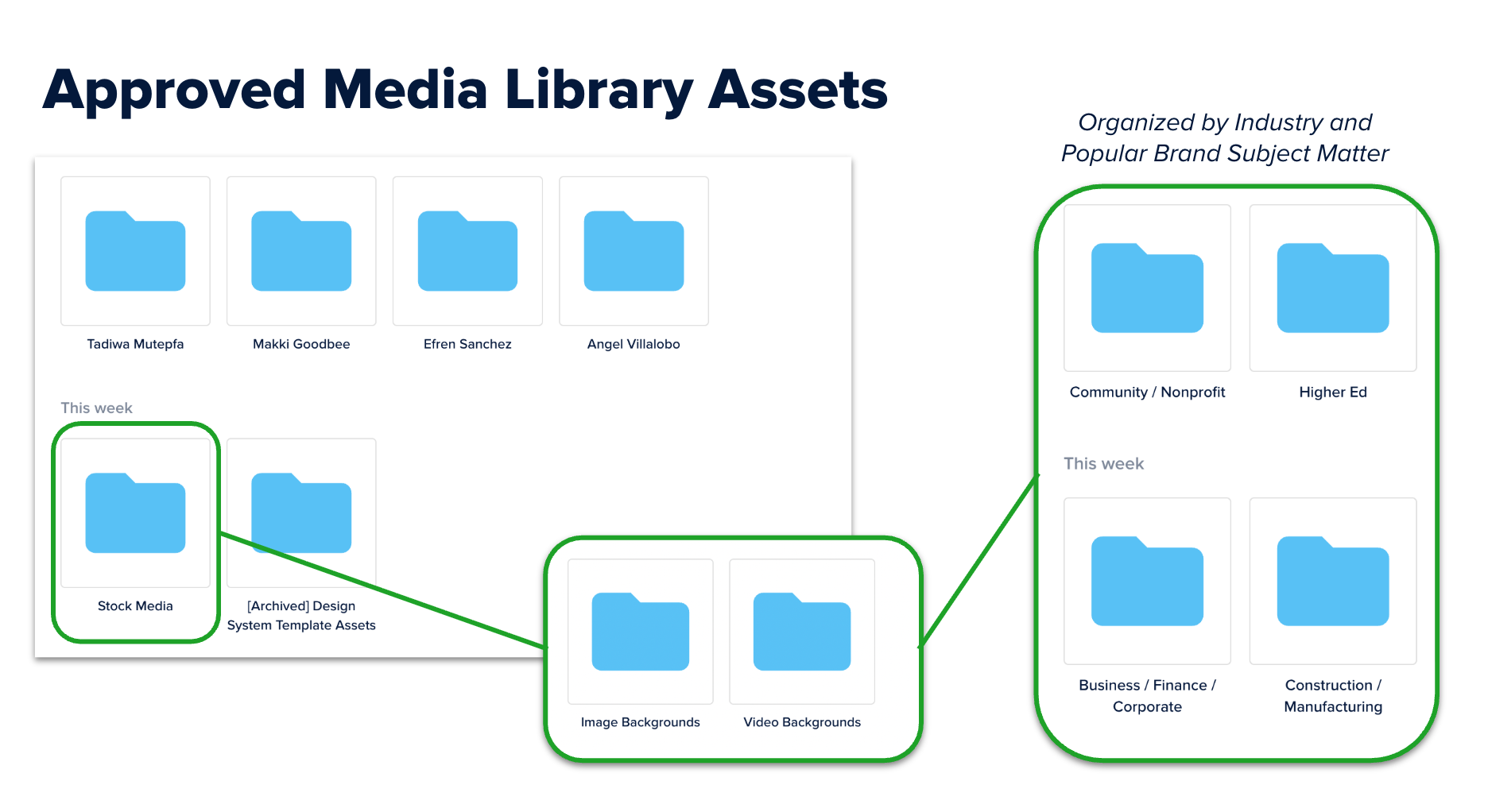
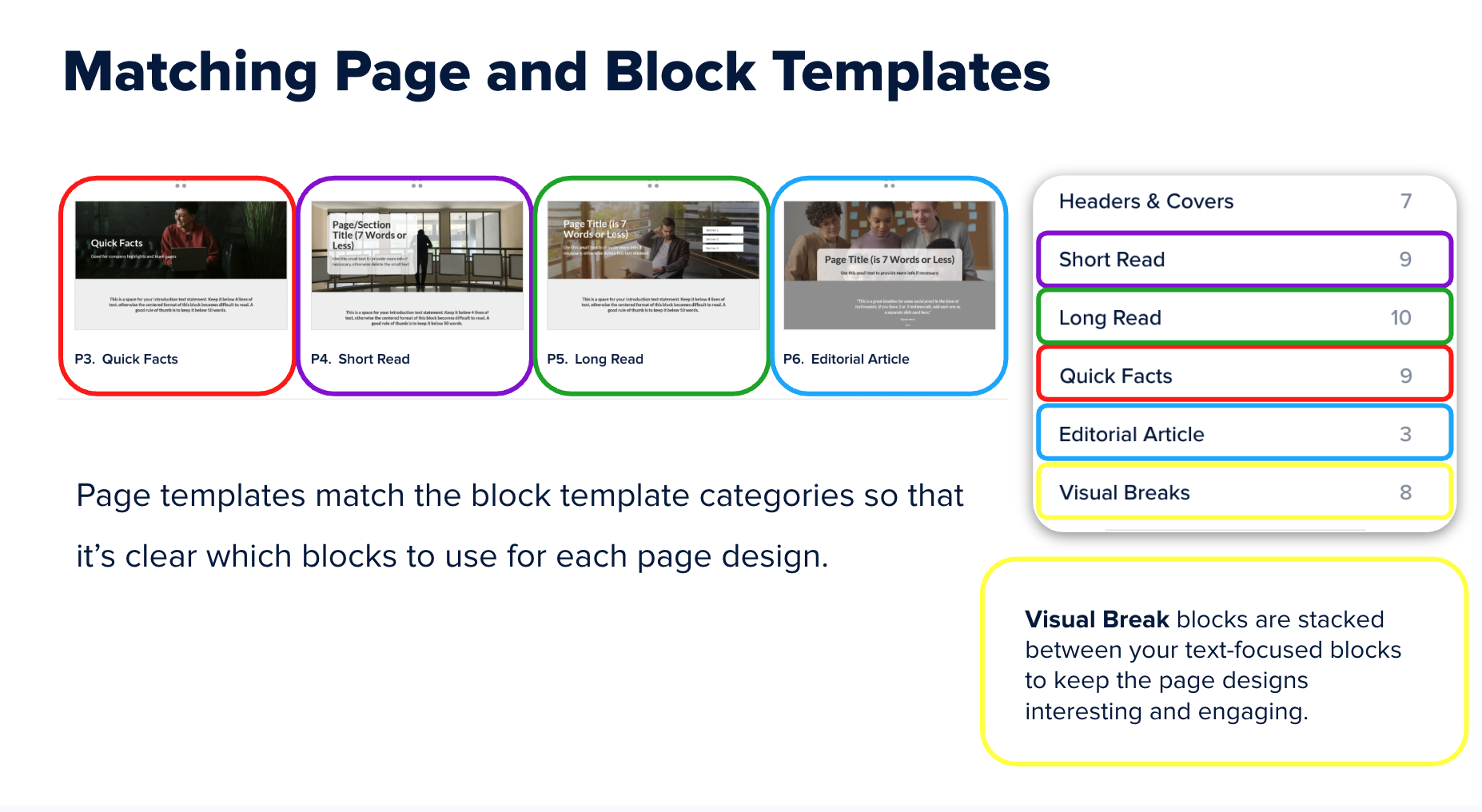
Two tracks. Effort matched to intent.
Testing revealed that even with the improved system, reps were still trying to recreate customer PDFs, still making too many decisions, still spending too much time. I restructured the sales workflow into two clear tracks:
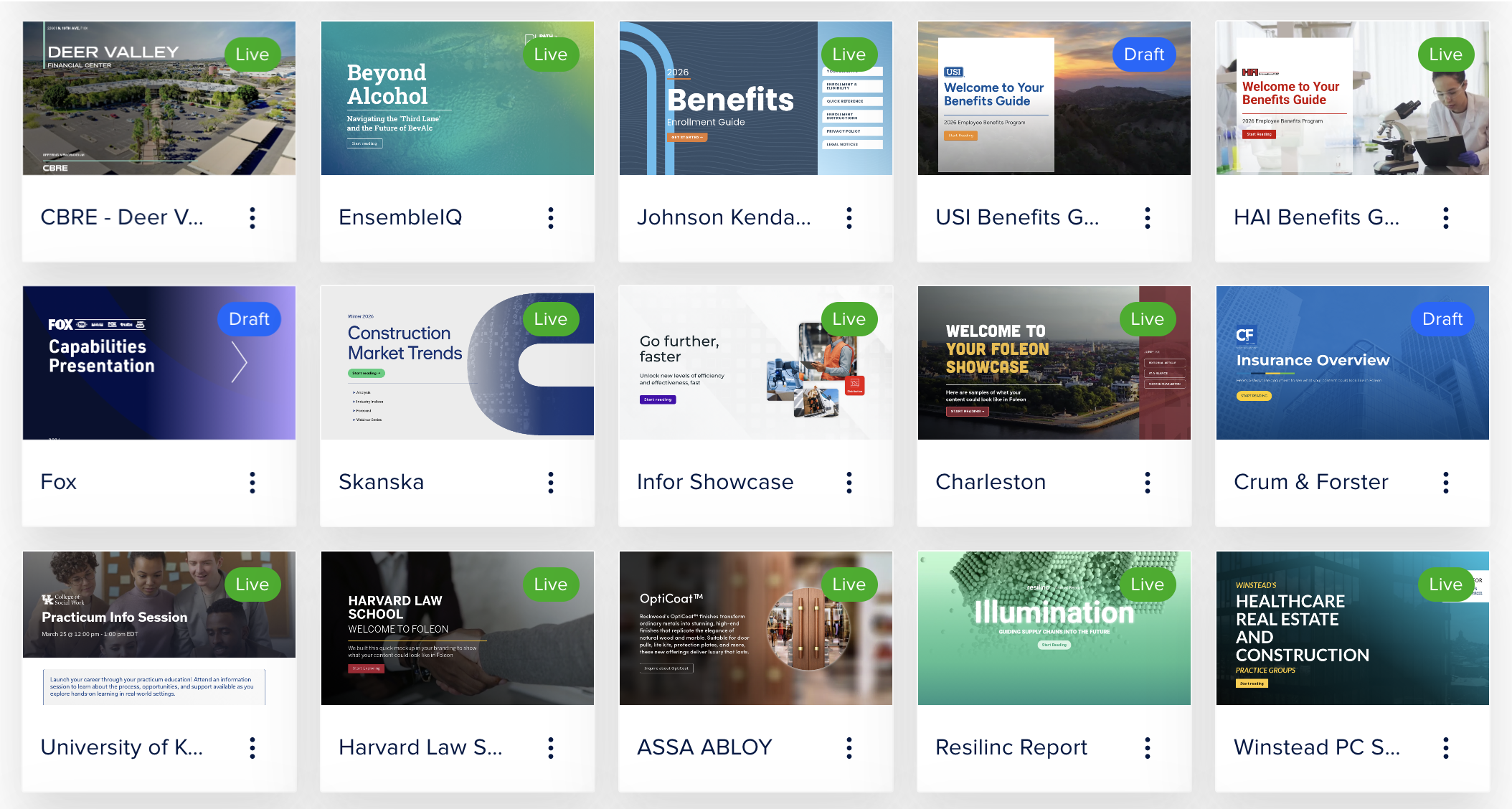
Faster, more consistent, better leads
Explore the mockup template
The showcase page layout is publicly accessible — the same template reps used to build branded mockups in under an hour.