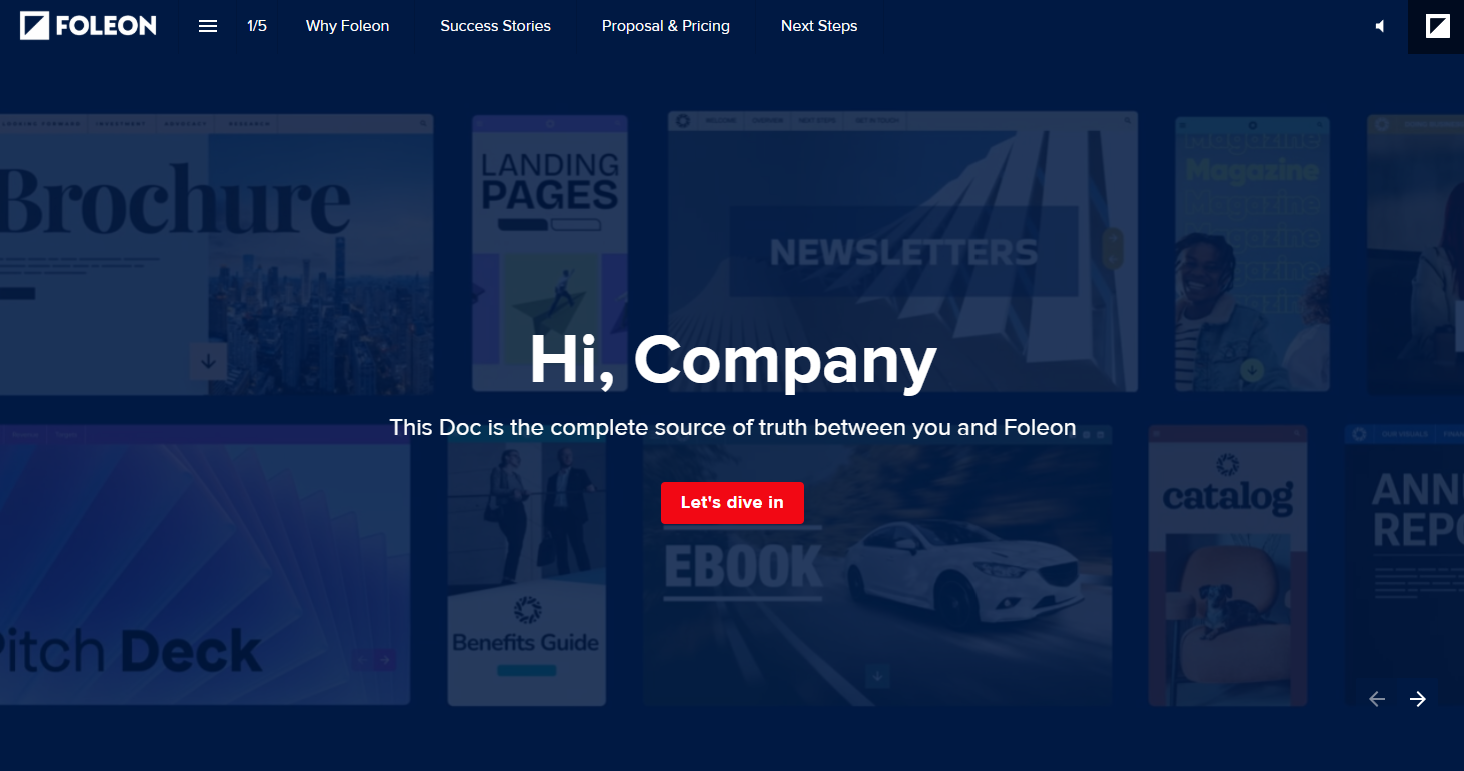
I built a modular proposal design system that cut rep creation time, enforced brand consistency, and turned Foleon's own sales content into a live demonstration of the platform's capabilities.
We were selling design tools with an outdated design
Foleon sells a platform that empowers non-designers to create high-quality, on-brand digital content at scale. Our sales proposals didn't reflect that.
The existing proposal template was two years old, built by salespeople rather than designers. The visual language, playful colors and shapes, made sense for a creative audience, but Foleon had evolved. We were now targeting corporate teams in professional industries. The template was working against us: outdated, off-brand, and missing the interactive features that are core to our value proposition.
We were advocating for a product we weren't actually using well ourselves.
A credibility problem, and a design problem
When prospects saw our proposals, they saw a gap between what we were promising (polished, scalable, interactive content) and what we were delivering in our own materials. For a platform selling content quality, that gap was damaging.
The additional constraint: we were mid-rebrand. No finalized visual assets existed yet. Any system I built would need to work with what was available while reflecting where the brand was heading.
A system that removes thinking, not flexibility
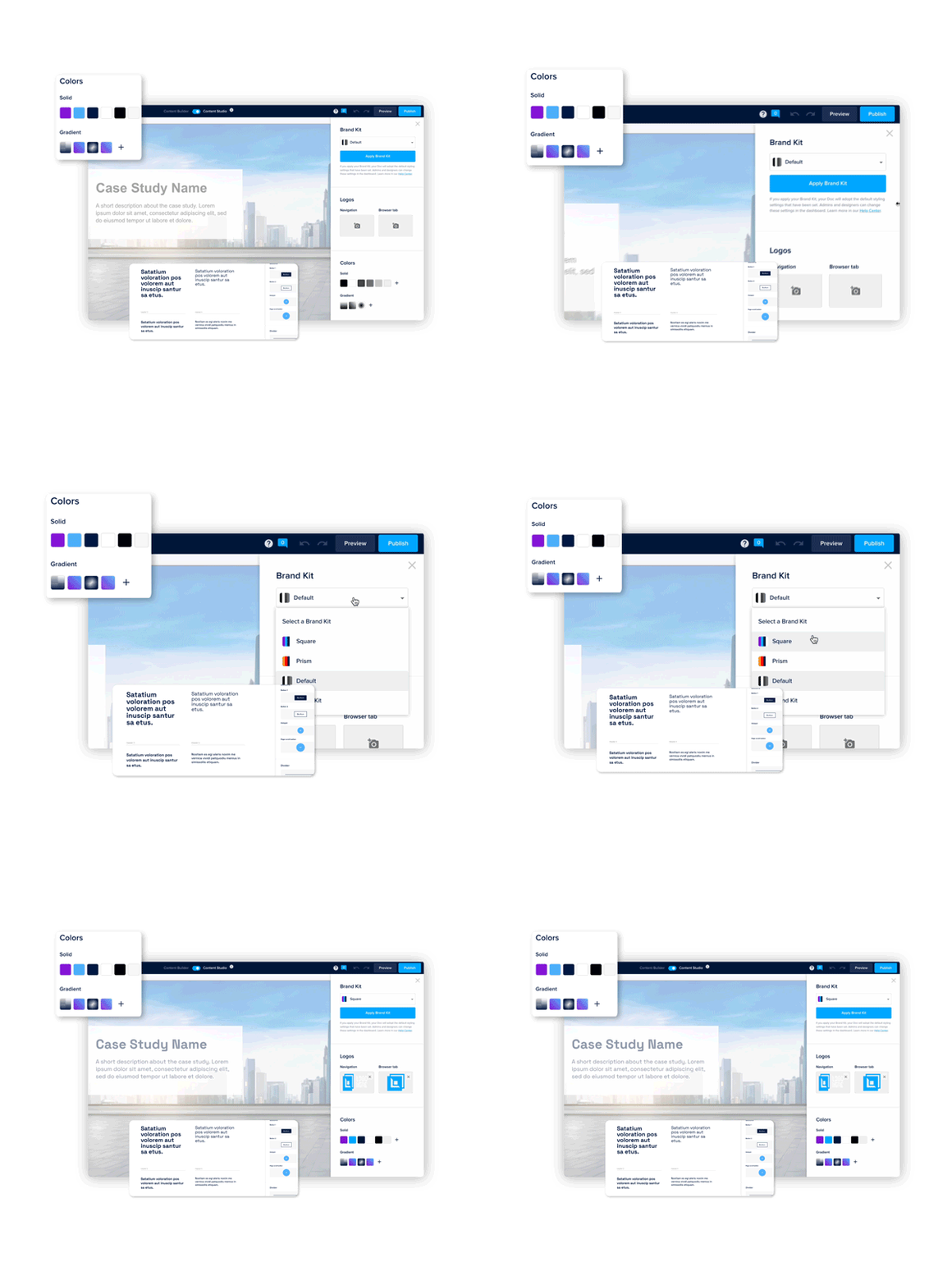
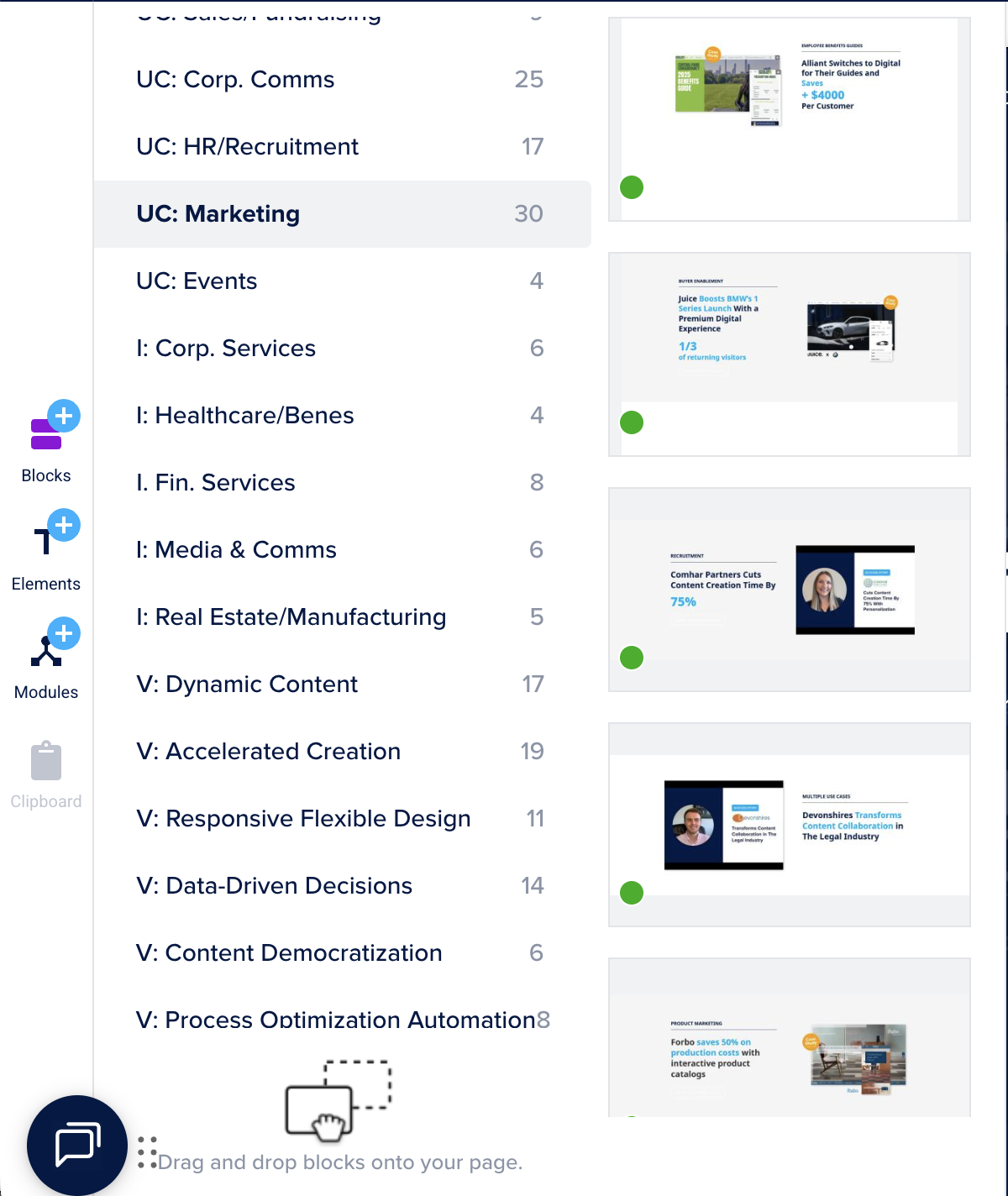
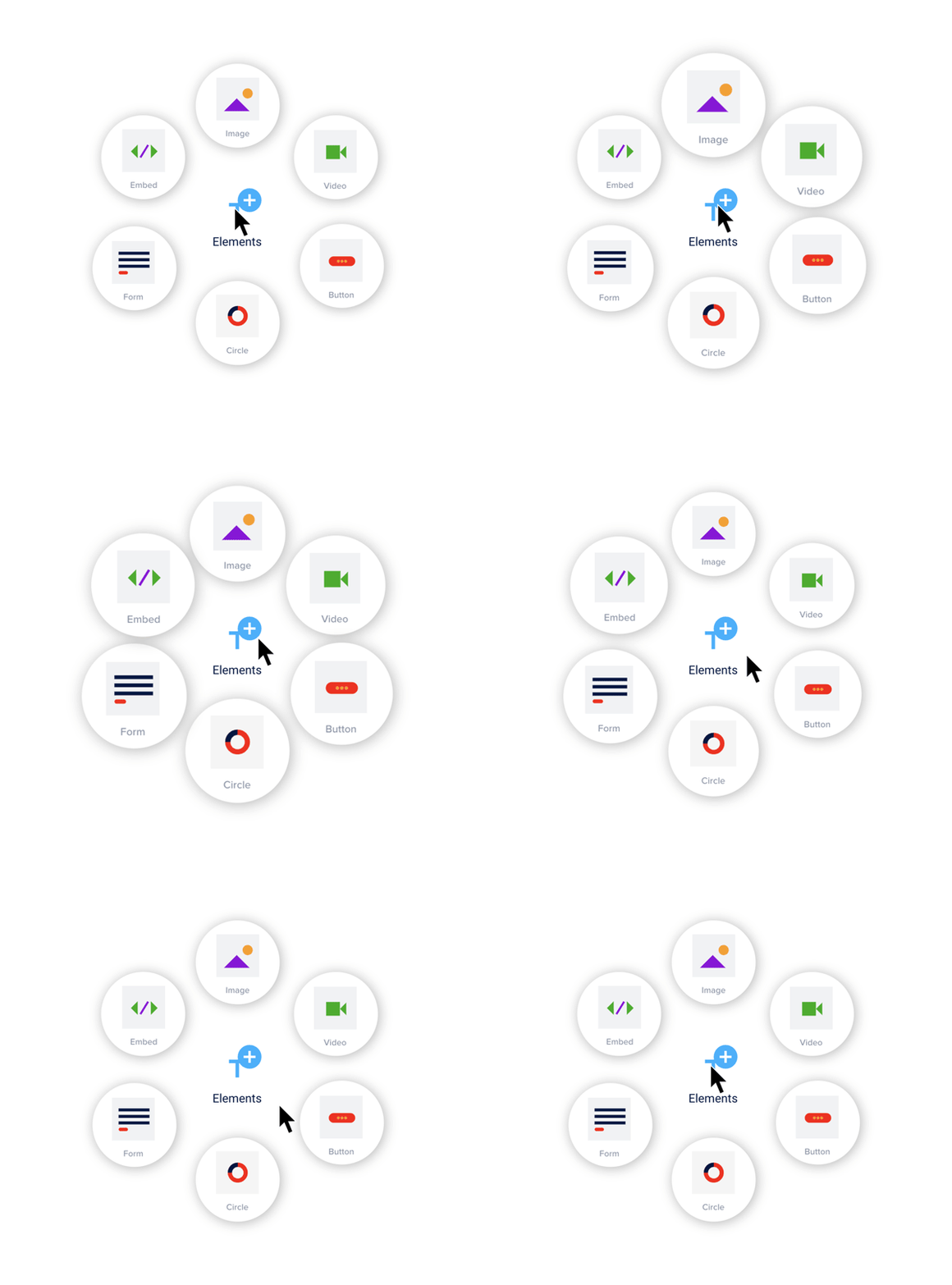
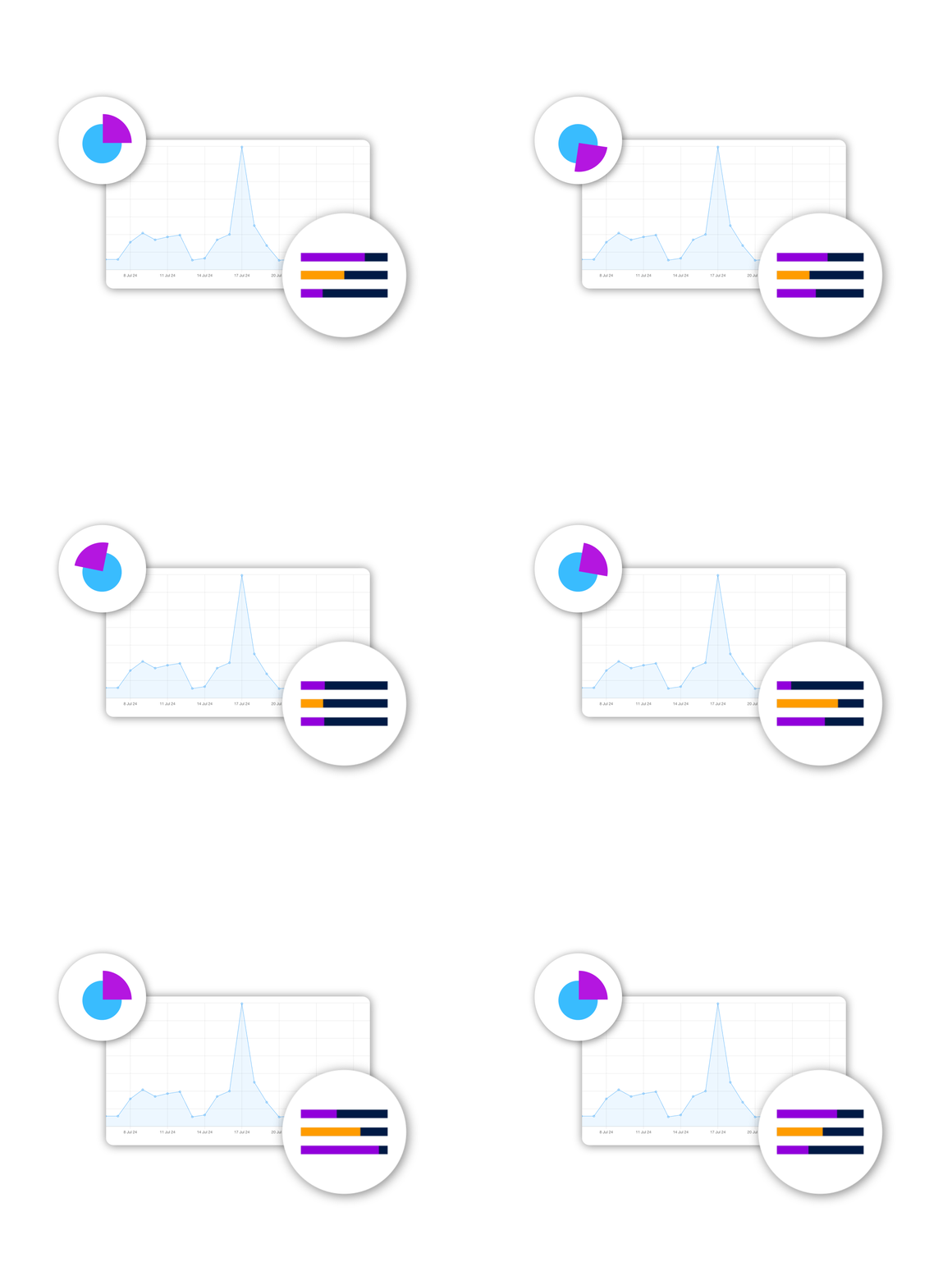
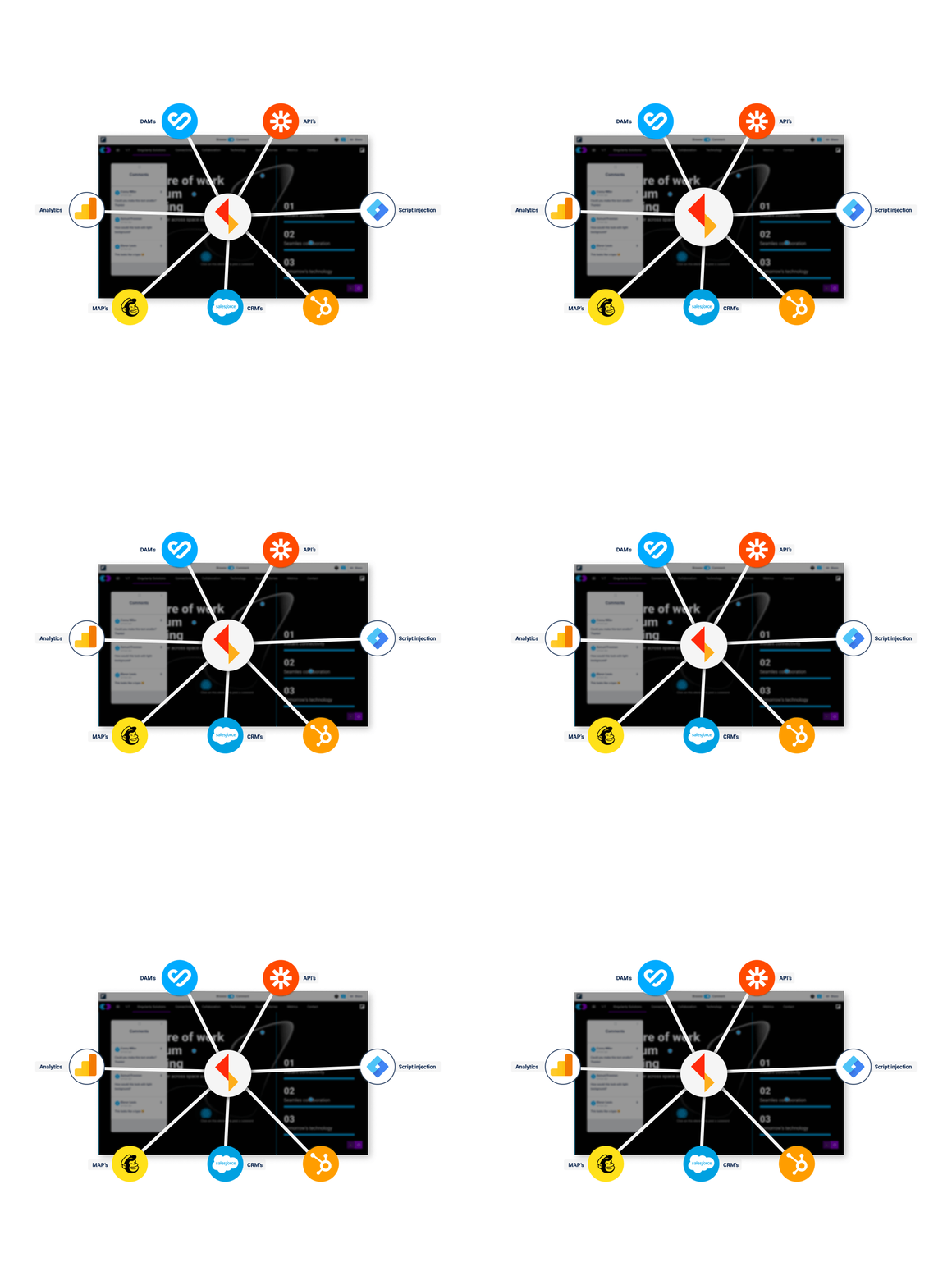
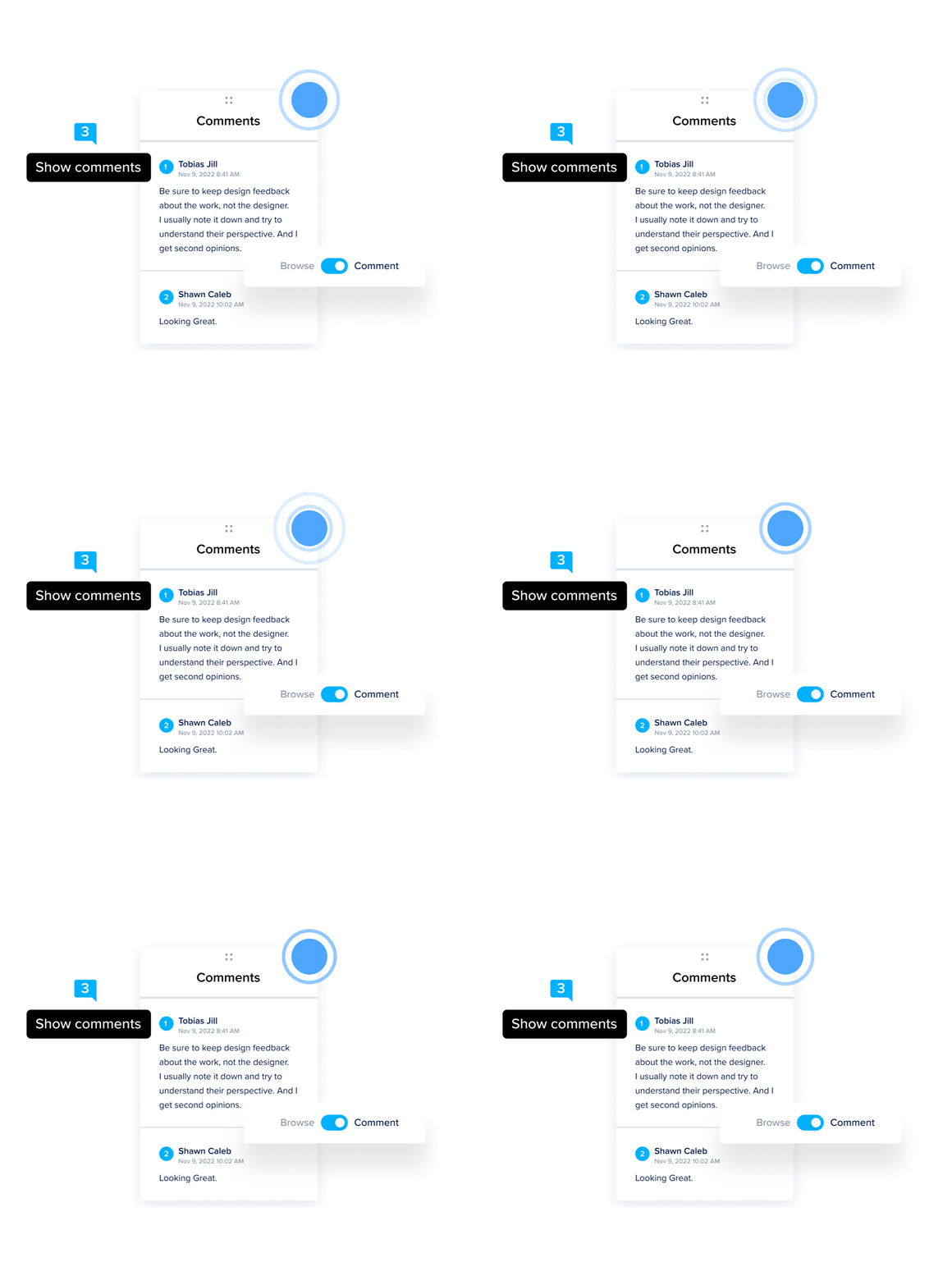
80% locked. 20% personalized.
To reduce rep decision-making and enforce consistency, the majority of the proposal was locked. Brand-approved copy was written in collaboration with marketing. Social proof sections were pre-built and ready to use. Reps only needed to personalize what actually mattered: the customer context.
The proposal became the pitch
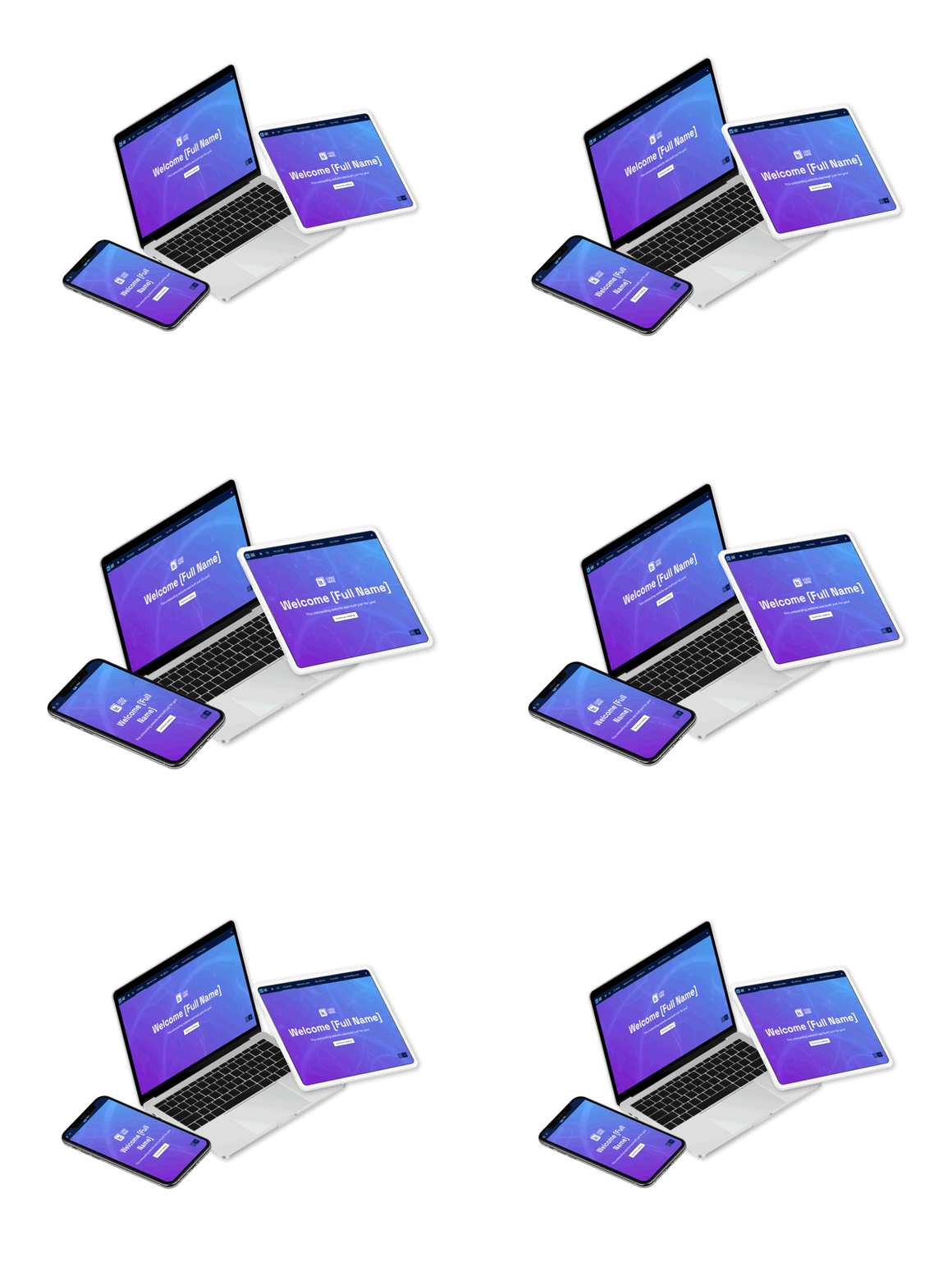
View the proposal template
A version of the proposal with identifying client information removed — the same structure, lock system, and motion showcase reps used in the field.