The one-line version
I designed an industry-specific benefits guide template that helped prospects immediately visualize themselves inside Foleon, contributing to over $500K in revenue and $400K in pipeline within the first quarter of its release.
The problem worth solving
Generic templates couldn't bridge the gap
Foleon was selling broadly across industries with a high-volume approach. As the platform matured, leadership refined the ideal customer profile toward verticals with strong adoption history. Insurance and benefits teams were among the strongest.
But while sales narrowed their focus, our native product templates stayed generic. Through conversations with Account Executives, I learned they were struggling to help prospects see themselves in the product. The templates were visually strong but required too much creative interpretation to connect with specific industry use cases. Prospects couldn't bridge the gap between what they saw and what they needed.
For benefits teams specifically, this was a meaningful friction point. These teams manage deeply structured, compliance-sensitive content. A generic interactive template didn't speak their language.
The diagnosis
The gap wasn't in the product. It was in the demonstration
Foleon's capabilities were genuinely well-suited to benefits guide production: structured content, brand consistency at scale, engagement analytics. But our sales team couldn't make that case visually. Prospects lack imagination. They need to see their own content, not a placeholder.
The template we needed wasn't just a design asset. It was a proof of concept. Something that said: we understand your world, and we've already built for it.
What I built
Research-first, industry-native design
Deep research before a single frame
I interviewed insurance content teams about their actual workflows and constraints. I analyzed successful benefits guides already built by existing Foleon clients. I studied the structural patterns, compliance considerations, and communication hierarchies common in the space. This wasn't about aesthetics. It was about understanding the content model well enough to design something that felt native to the industry.
A fully realized, ready-to-deploy template
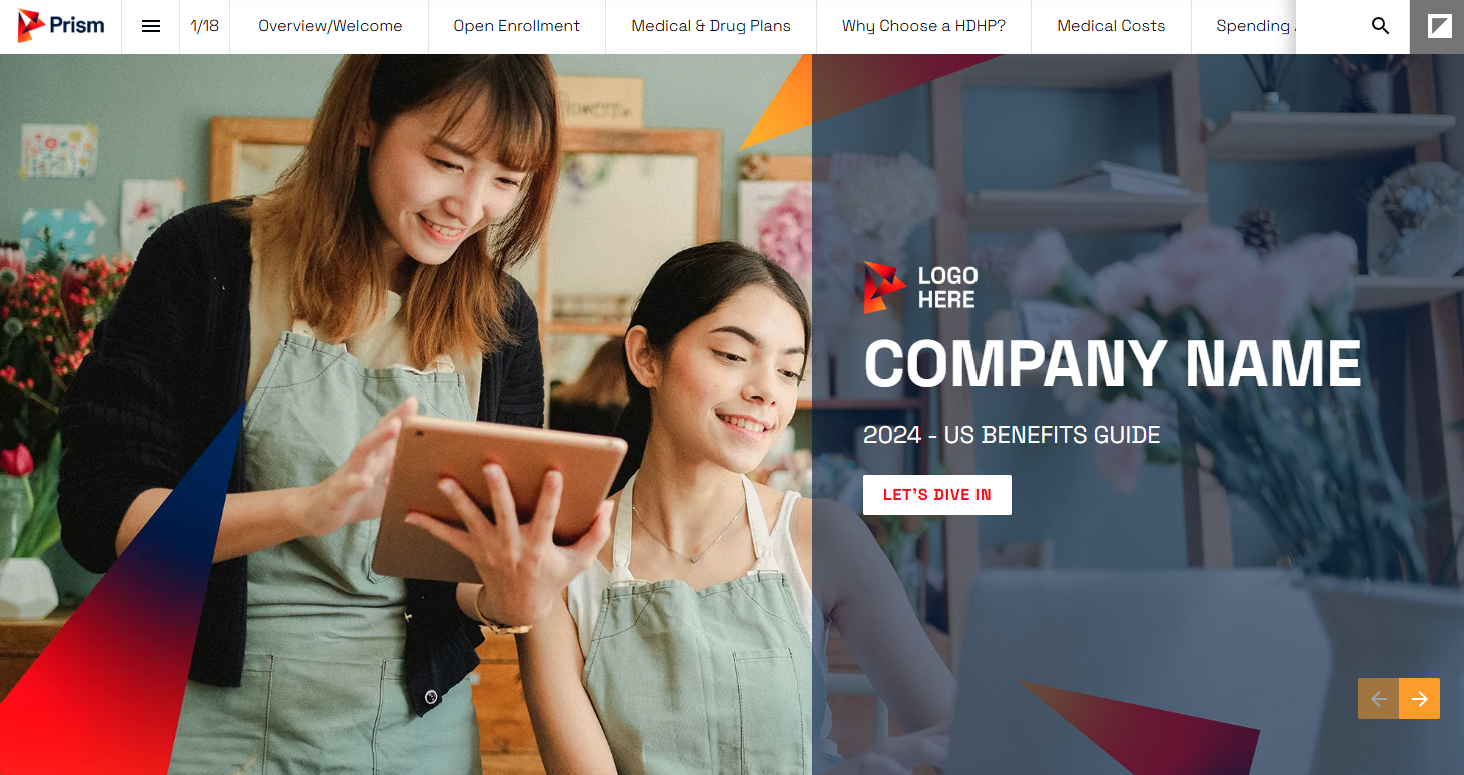
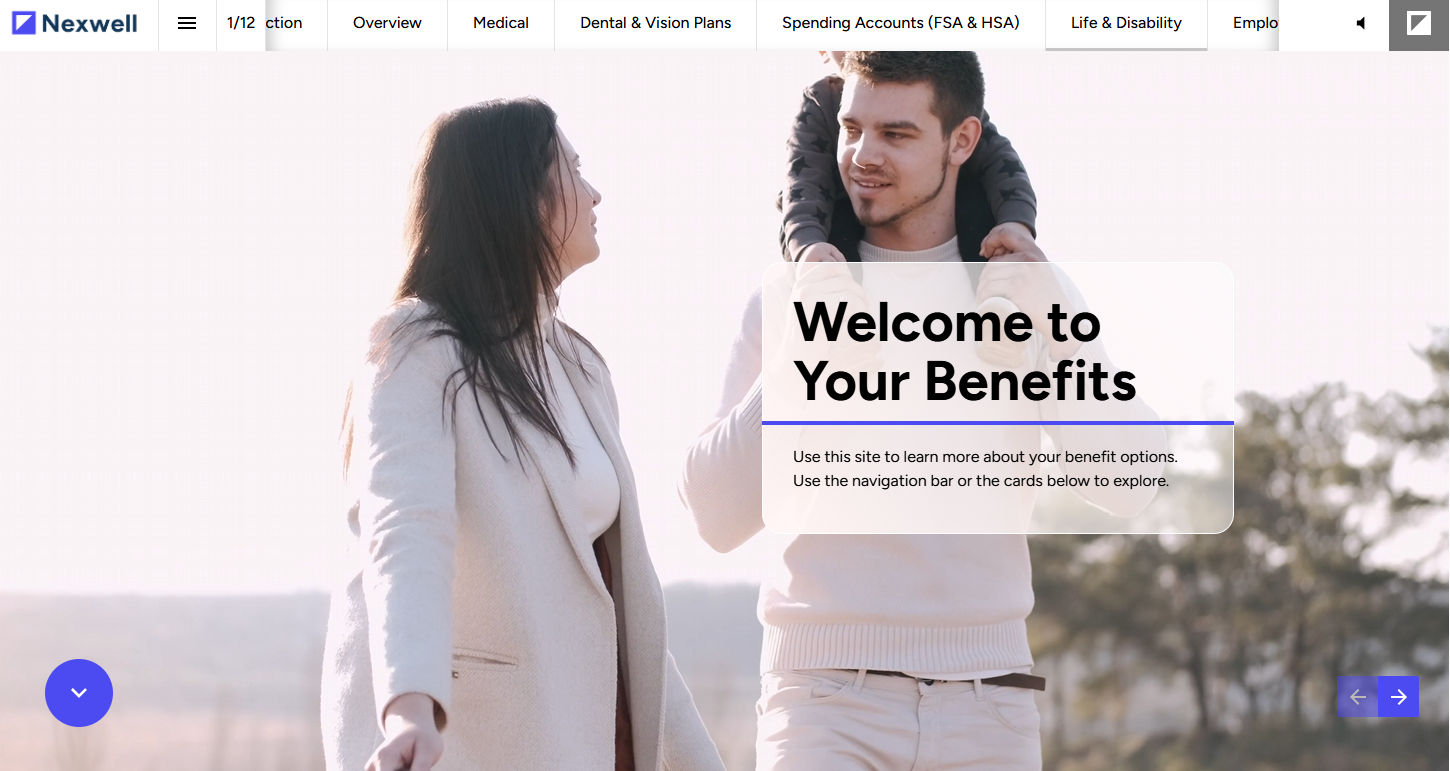
Rather than a showcase of generic features, I designed a complete benefits guide experience structured the way benefits teams actually structure content, with the navigation, hierarchy, and visual tone that matched the space. The template demonstrated platform capability through industry-relevant content rather than around it. Prospects didn't have to imagine their use case. They could see it.
A replicable model for other verticals
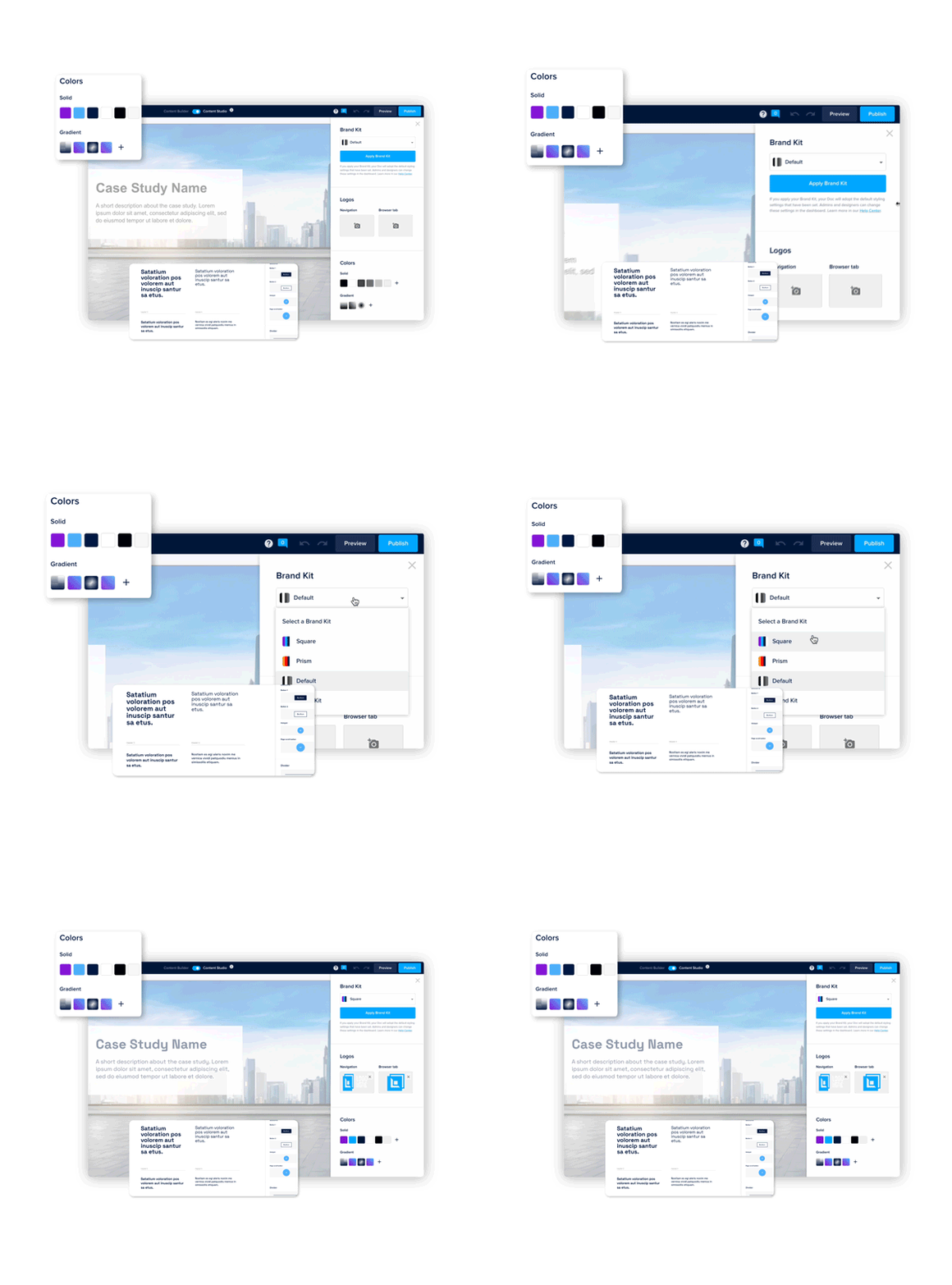
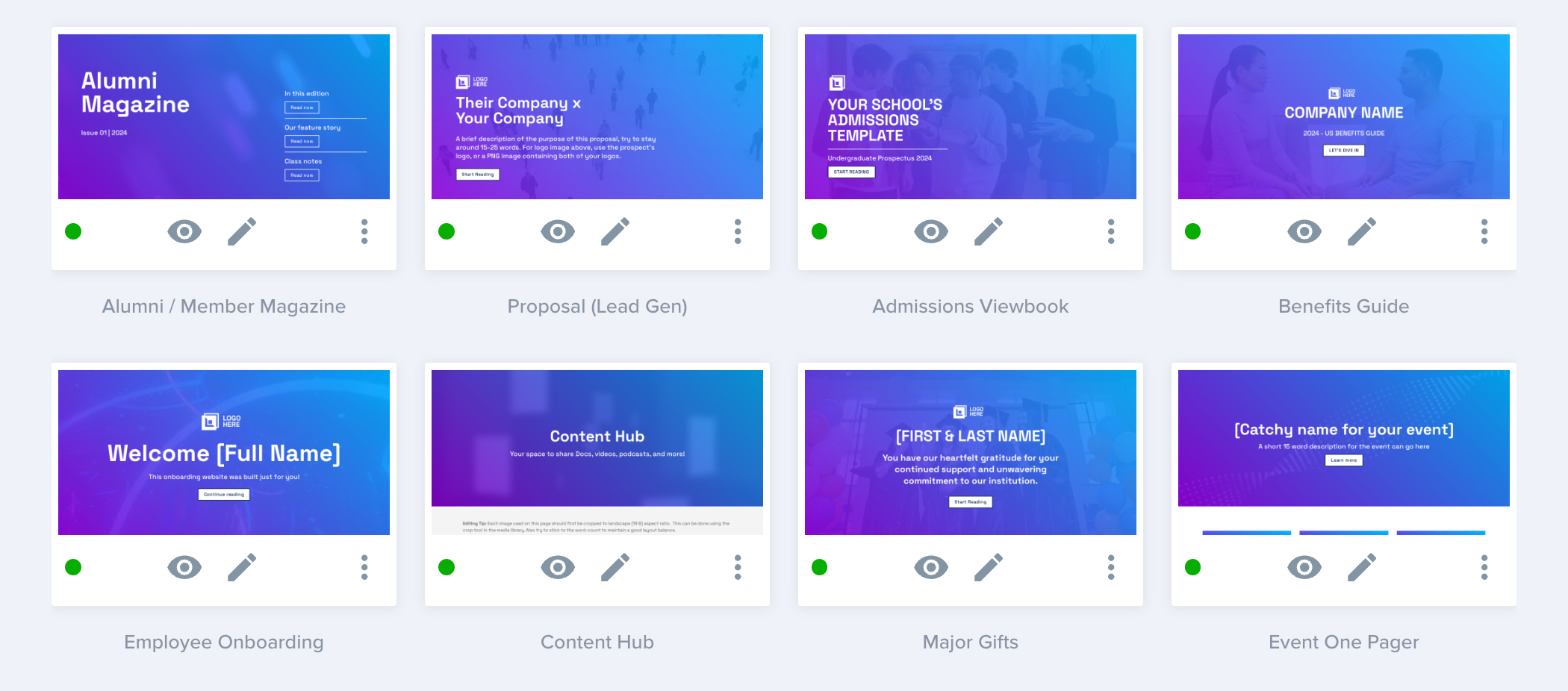
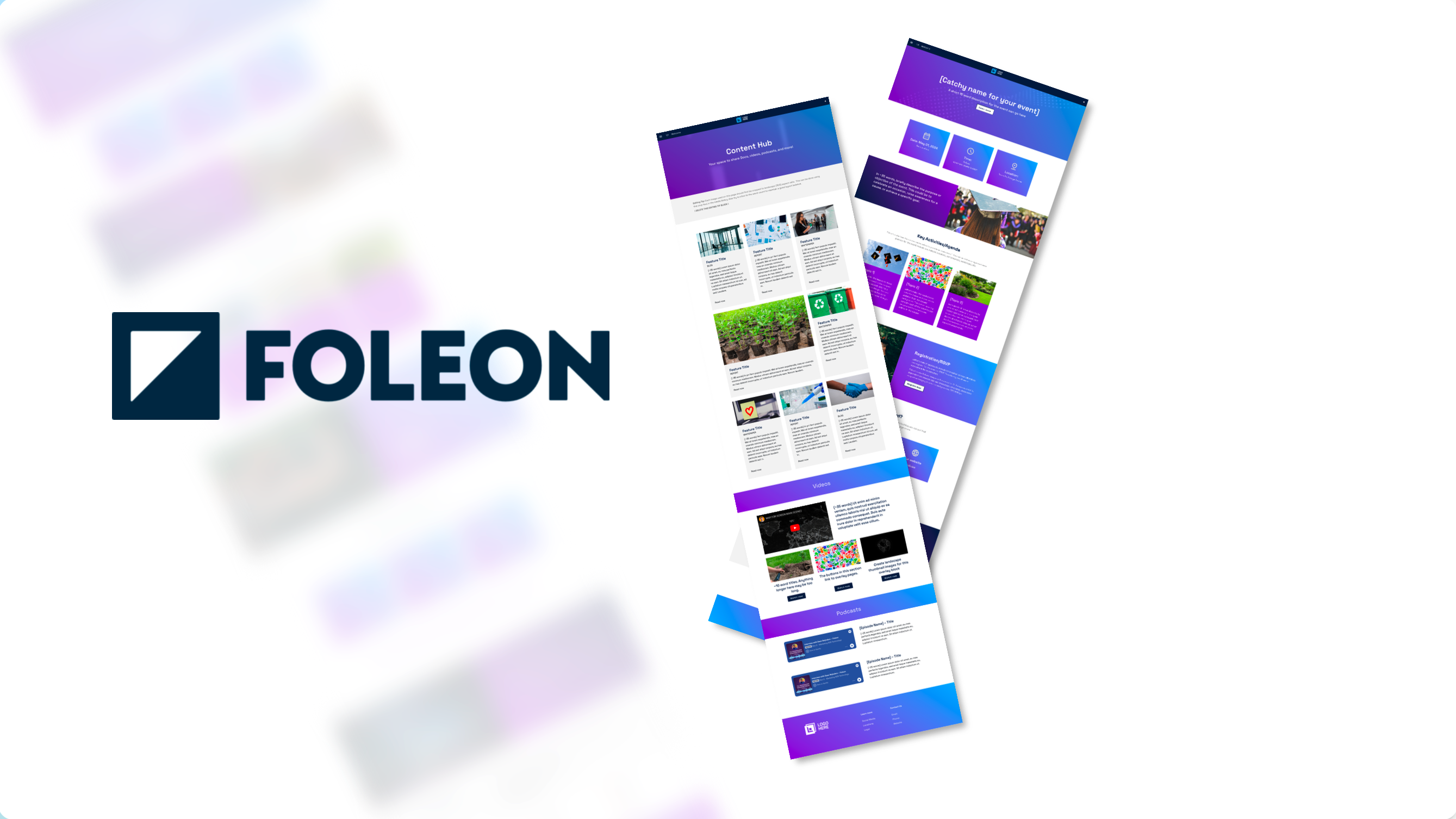
The impact of the benefits template caught the attention of Foleon's Chief Revenue Officer, who asked me to replicate the model across additional industries. This work became the foundation of my transition into the Sales Engineering role, designing industry-specific template systems and sales assets to strengthen frontline sales enablement across verticals.
The outcome
A template that moved pipeline
The primary Account Executive focused on insurance exceeded annual quota for the first time and received a promotion.
Template contributed to $500K+ in revenue and $400K+ in pipeline within Q1.
Model was replicated across additional verticals, becoming a core component of Foleon's sales strategy.
"They were practically drooling over your benefits template."
— Account Executive, post-prospect call
See it live
View the templates in action
The original benefits guide template is still live, and has since been updated into a 2026 iteration — a sign that the model held up well enough to keep building on.
The principle it reinforced
You cannot rely on the product to speak for itself. You have to demonstrate expertise through the quality and strategic intent of the content you put in front of people. The template was a trust signal as much as a design asset.